Navigating motorcycle jacket sizing can be tricky‚ with variations across brands and styles. Understanding your measurements and considering armor and layering are crucial for a secure and comfortable fit. This guide will help you find the perfect size!
Understanding Motorcycle Jacket Types
Motorcycle jackets aren’t one-size-fits-all; different styles necessitate varying fits. Sportbike jackets‚ designed for aggressive riding positions‚ typically have a more pre-curved and snug fit to minimize wind resistance and maximize aerodynamic performance. Touring jackets prioritize comfort during long rides‚ often featuring a more relaxed cut allowing for layering and movement.
Adventure jackets blend features of both‚ offering a balance between protection and versatility‚ often with adjustable fits. Cruiser jackets frequently have a classic‚ relaxed style‚ sometimes made of softer materials like leather‚ prioritizing aesthetics and comfort over extreme performance features. Understanding the intended use of the jacket is the first step in selecting the correct size‚ as fit preferences differ significantly between these categories. Always check the manufacturer’s specific recommendations for each style.
Standard Motorcycle Jacket Sizing
Generally‚ motorcycle jacket sizing follows a numerical progression‚ starting around Small (S) and extending to Extra-Large (XL) and beyond‚ often including 2XL‚ 3XL‚ and even larger sizes. However‚ “standard” is relative‚ as sizing varies considerably between brands and even within a brand’s different jacket models. A size Medium in one brand might fit like a Large in another.
It’s crucial to avoid assuming your usual clothing size will translate directly to a motorcycle jacket. Motorcycle jackets are often designed with a more athletic or tailored fit‚ and the inclusion of armor adds bulk. Therefore‚ accurate measurements are paramount. Many manufacturers provide detailed size charts‚ often including corresponding chest‚ waist‚ and sleeve length measurements for each size. Always consult the specific size chart for the jacket you are considering.
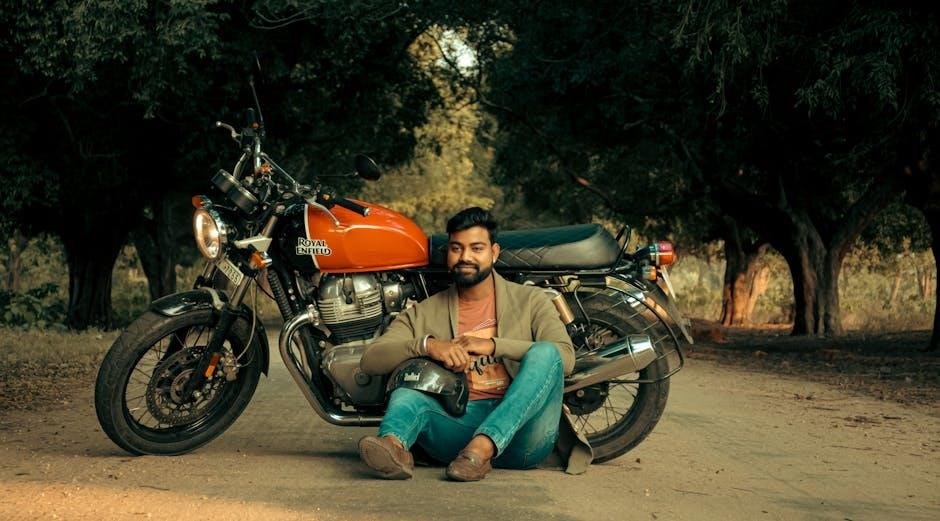
Measuring Yourself for a Motorcycle Jacket
Accurate self-measurement is the foundation of finding the right motorcycle jacket size. You’ll need a flexible measuring tape and ideally‚ a helper. Stand upright with your arms relaxed at your sides. Do not measure over clothing; wear a close-fitting shirt. Ensure the tape measure is snug but not tight.

Record each measurement carefully‚ as even small discrepancies can affect the fit. Focus on key areas: chest‚ shoulders‚ sleeves‚ waist‚ and back length. Consistency is key – use the same measuring technique each time. Repeat each measurement a couple of times to confirm accuracy. Compare your measurements to the brand’s specific size chart‚ noting any variations or recommendations. Remember to account for the additional space needed for armor and layers.
Chest Measurement
To measure your chest‚ stand naturally with your arms relaxed at your sides. Wrap the measuring tape around the fullest part of your chest‚ typically across the nipples and shoulder blades. Keep the tape measure level and snug‚ but not constricting. Ensure you are breathing normally – do not suck in your stomach or puff out your chest.
Have a helper assist if possible‚ to ensure accurate placement of the tape. Record the measurement in inches or centimeters. This measurement is crucial‚ as the chest size is often the primary determinant of jacket fit. Compare your chest measurement to the brand’s size chart‚ paying attention to any allowances for layering or armor. A slightly larger chest measurement may be preferable for comfort and mobility.
Shoulder Measurement
Accurately measuring your shoulder width is vital for ensuring a comfortable and unrestricted range of motion in your motorcycle jacket. To begin‚ locate the bony prominence at the end of your shoulder (acromion process). Have a helper assist for the most precise measurement.
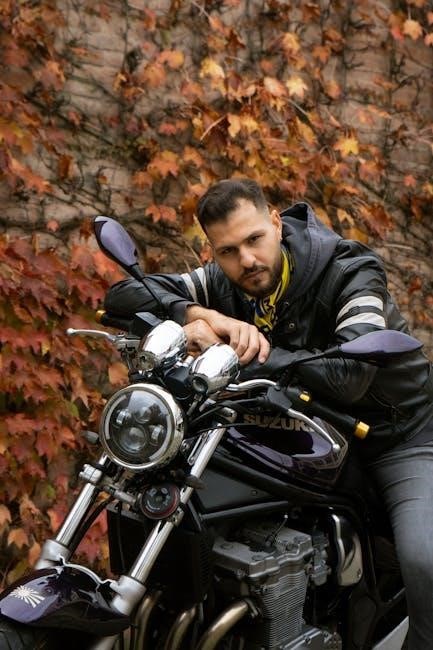
Wrap the measuring tape from this point on one shoulder‚ across your back‚ to the corresponding point on the other shoulder. Keep the tape measure level and follow the natural curve of your shoulders. Avoid pulling the tape too tightly. Record the measurement in inches or centimeters. This measurement‚ combined with your chest size‚ helps determine the correct jacket size‚ particularly concerning sleeve length and overall fit across the upper body. Consult the brand’s specific size chart for guidance.
Sleeve Length Measurement
Determining the correct sleeve length is crucial for a comfortable riding experience‚ preventing restriction and ensuring adequate wrist coverage. Start by bending your elbow slightly – approximately 90 degrees. Have a helper measure from the center of your back (where your shoulder meets your neck) over your bent elbow‚ down to your wrist bone.
Ensure the tape measure remains taut but not overly tight. Record this measurement in inches or centimeters. Remember that motorcycle jackets often have a slightly longer sleeve length to accommodate riding posture. Compare your measurement to the brand’s size chart‚ noting any allowances for riding position. Incorrect sleeve length can lead to discomfort and reduced control‚ so accuracy is key. Consider the jacket’s style; some designs may have adjustable sleeves.
Waist Measurement
Accurately measuring your waist is vital for ensuring a snug‚ yet comfortable‚ fit in your motorcycle jacket. Locate your natural waistline – typically the narrowest part of your torso‚ above your belly button. Stand relaxed‚ and breathe normally; do not suck in your stomach or expand your chest.
Wrap a flexible measuring tape around your waist‚ keeping it level and snug‚ but not constricting. Ensure the tape measure sits comfortably and doesn’t dig into your skin. Record the measurement in inches or centimeters. Motorcycle jackets often have adjustable side straps or cinches‚ allowing for a customized fit. When comparing your measurement to a size chart‚ consider whether you’ll be layering clothing underneath the jacket. A proper waist fit enhances both comfort and safety during rides.
Back Length Measurement
Determining your back length is crucial for a motorcycle jacket that provides optimal coverage and riding comfort. Begin by locating the prominent bone at the base of your neck – this is your starting point. Have a friend assist you for greater accuracy‚ or use a mirror.
Measure straight down your back from this bone to the point where you want the jacket to end – typically around your hip or slightly lower. Keep the measuring tape straight and follow the natural curve of your spine. Record this measurement in inches or centimeters. Consider your riding posture; a longer jacket may be preferred for more aggressive riding positions; This measurement ensures the jacket doesn’t ride up during movement‚ exposing your lower back. A correct back length contributes significantly to both protection and comfort on the road.
Converting Measurements to Jacket Sizes
Once you’ve accurately measured your chest‚ shoulders‚ sleeves‚ waist‚ and back length‚ the next step is converting these measurements into a standard jacket size. Keep in mind that sizing can vary significantly between manufacturers and even different styles within the same brand. Generally‚ jacket sizes correspond to numerical sizes (e.g.‚ 38‚ 40‚ 42) or letter sizes (e.g.‚ S‚ M‚ L‚ XL).
Refer to the specific size chart provided by the jacket manufacturer – these are often found on their website or included with the product description. Don’t assume your usual clothing size will automatically translate to the correct jacket size. Pay close attention to the recommended size range for each measurement. If your measurements fall between sizes‚ it’s generally advisable to size up for a more comfortable fit‚ especially if you plan to wear layers underneath.
US/North American Sizing
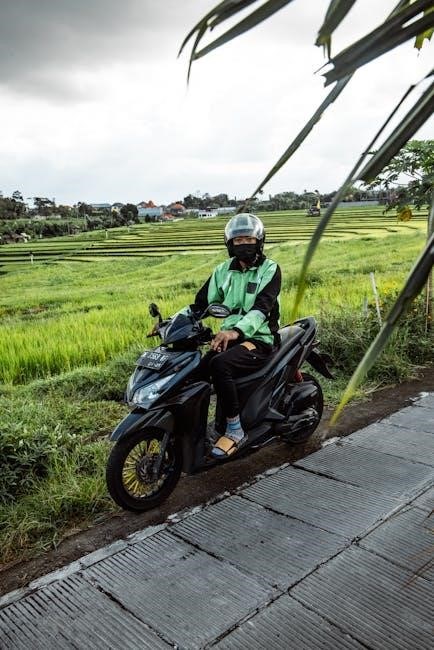
In the US and North America‚ motorcycle jacket sizing typically follows a standard numerical and letter system. Numerical sizes usually range from 36 to 56 inches‚ corresponding roughly to chest measurements. Letter sizes are commonly Small (S)‚ Medium (M)‚ Large (L)‚ Extra-Large (XL)‚ and 2XL‚ and beyond. A 40-inch chest‚ for example‚ generally equates to a size Large.
However‚ it’s crucial to remember that these are just averages. Variations exist between brands; Alpinestars‚ Dainese‚ and Rev’It! all have slightly different sizing standards. Always consult the specific brand’s size chart. North American sizing tends to be relatively consistent‚ but athletic builds may require sizing up to accommodate shoulder and chest dimensions. Consider your body type and the jacket’s intended use (sport‚ touring‚ adventure) when selecting a size.

European Sizing
European motorcycle jacket sizing differs significantly from North American standards‚ utilizing a numerical system based on centimeters rather than inches. Sizes typically range from 46 to 66‚ where 46 corresponds to approximately a 36-inch chest. This can be confusing for riders accustomed to US sizing. It’s essential to convert your chest measurement from inches to centimeters (multiply by 2.54) before referencing a European size chart.
Brands like Dainese and Rev’It!‚ popular in Europe‚ adhere to these centimeter-based sizes. Furthermore‚ European sizing often runs smaller than US sizing‚ meaning you might need to order a size up. Athletic builds may find European cuts more tailored‚ while others may prefer a looser fit. Always prioritize checking the specific brand’s size guide‚ as variations exist. Understanding this difference is key to avoiding incorrect sizing and ensuring a comfortable‚ safe ride.
Asian Sizing
Asian motorcycle jacket sizing‚ particularly from manufacturers in countries like China and Vietnam‚ generally runs considerably smaller than both US and European standards. These sizes are often based on a different body type‚ assuming a slimmer build and shorter torso length. Expect to potentially order two or even three sizes up from your usual US or European size.
Measurements are frequently provided in centimeters‚ similar to European sizing‚ but the corresponding numerical sizes are lower. A size labeled ‘XL’ in an Asian brand might equate to a US ‘M’ or even ‘S’. Carefully scrutinize the brand’s specific size chart‚ paying close attention to chest‚ shoulder‚ and sleeve length measurements. Online retailers often include detailed size comparisons. Prioritize accurate self-measurement and read customer reviews regarding sizing before making a purchase to avoid disappointment and ensure a proper fit.
Brand-Specific Size Charts
While general sizing guidelines exist‚ motorcycle jacket sizes can vary significantly between brands. Alpinestars‚ Dainese‚ and Rev’It!‚ for example‚ each employ unique sizing philosophies and cuts. Relying solely on standard size conversions (S‚ M‚ L‚ etc.) is often insufficient for a precise fit.
Always consult the specific size chart provided by the jacket manufacturer. These charts typically detail measurements for chest‚ waist‚ shoulder width‚ sleeve length‚ and back length. Some brands offer interactive size finders based on your body measurements. Pay attention to whether the chart uses US‚ European‚ or Asian sizing conventions. Consider that a “sport” fit will be more tailored and snug‚ while a “touring” fit will be looser and accommodate layers. Checking customer reviews can also provide valuable insights into a brand’s sizing accuracy;
Alpinestars Jacket Sizing
Alpinestars generally runs true to size‚ but their sport-oriented jackets often have a more athletic‚ fitted cut. Refer to their detailed size chart‚ focusing on chest and shoulder measurements as primary indicators. Their charts typically list sizes in US sizing‚ but always double-check the specific jacket’s chart.
For Alpinestars‚ sleeve length is crucial‚ especially for aggressive riding positions. Ensure the sleeves extend to your wrists when arms are extended forward. Consider adding a half-inch to your measurement if you prefer a more relaxed fit or plan to wear thicker base layers. Alpinestars also offers jackets with adjustable waist belts and cuffs‚ allowing for some customization. Review customer feedback‚ as some riders suggest sizing up one size for optimal comfort‚ particularly in leather jackets. Remember to account for integrated armor when assessing the fit.
Dainese Jacket Sizing
Dainese sizing tends to run smaller‚ particularly in their leather jackets‚ and often caters to a European body type. It’s frequently recommended to size up one size from your usual US size when purchasing Dainese. Focus on chest and shoulder measurements‚ as Dainese jackets are designed for a snug‚ performance fit.
Pay close attention to the Dainese size chart specific to the jacket you’re considering‚ as variations exist between models. Their sizing can differ significantly between textile and leather options. Sleeve length is critical; ensure adequate coverage when in a riding position. Dainese jackets often feature pre-curved sleeves‚ so a slightly shorter sleeve length can be acceptable. Consider the integrated armor and any additional layers you plan to wear. Checking customer reviews can provide valuable insights into real-world fit experiences with Dainese products. Allow for a snug‚ but not restrictive‚ fit for optimal protection.
Rev’It! Jacket Sizing
Rev’It! generally offers a more consistent and true-to-size fit compared to some other brands‚ but variations still exist. Their sizing often aligns closely with US standard sizing‚ though it’s always best to consult their specific size chart. Rev’It! prioritizes comfort and mobility‚ resulting in a slightly more relaxed fit‚ especially in their touring jackets.
When selecting a Rev’It! jacket‚ prioritize chest and waist measurements for the best fit. Consider the intended use; adventure jackets may require more room for layering than sportbike jackets. Rev’It! jackets frequently include adjustable features like side cinch straps and cuff adjusters‚ allowing for a customized fit. Don’t forget to account for the integrated armor and any additional protective gear. Review customer feedback for specific models to gauge real-world sizing experiences. A comfortable‚ yet secure‚ fit is essential for optimal performance and safety while riding.
Factors Affecting Fit: Armor and Layers
Several key factors beyond basic measurements significantly impact motorcycle jacket fit. Integrated armor‚ particularly in the shoulders‚ elbows‚ and back‚ occupies space and can make a jacket feel snugger. Always factor in the volume of the armor when choosing a size; you need room for it to protect you effectively without restricting movement.
Layering is crucial for riding in varying conditions. Consider what you’ll typically wear under your jacket – base layers‚ sweaters‚ or even heated gear. Account for this bulk when selecting a size; a jacket that fits perfectly with a t-shirt might be too tight with additional layers. A slightly looser fit allows for comfortable layering without compromising safety. Remember that a well-fitted jacket should allow a full range of motion‚ even with armor and layers in place. Prioritize comfort and protection when making your final decision.
Tips for Choosing the Right Size
When selecting a motorcycle jacket‚ prioritize a snug but not restrictive fit. Ensure full range of motion – you should be able to comfortably reach for the handlebars and twist your torso. Don’t assume your usual clothing size translates directly to jacket sizing; always measure yourself accurately.
If you’re between sizes‚ generally opt for the larger size‚ especially if you plan to layer clothing underneath. Consider the jacket’s intended use; a track jacket will typically have a more aggressive‚ fitted cut than a touring jacket. Read brand-specific size charts carefully‚ as sizing can vary considerably; When possible‚ try on jackets in person to assess the fit firsthand. Finally‚ remember that a properly fitted jacket is crucial for both comfort and safety during your rides.
Online vs. In-Store Fitting
Purchasing a motorcycle jacket online offers convenience and a wider selection‚ but fitting can be challenging. Rely heavily on detailed size charts provided by the retailer and brand‚ and compare them to your own measurements. Check the return policy before buying‚ ensuring easy exchanges or refunds if the fit isn’t right. Reading customer reviews can also provide valuable insights into sizing accuracy.
In-store fitting allows you to physically try on jackets‚ assessing comfort and range of motion. A knowledgeable sales associate can assist with measurements and offer recommendations. However‚ in-store selection may be limited. Ultimately‚ the best approach depends on your preferences and access to local retailers. Combining both methods – researching online and trying on in-store – can yield the optimal result.
Return Policies and Exchanges
A clear and generous return policy is paramount when buying a motorcycle jacket‚ especially online. Before completing your purchase‚ meticulously review the retailer’s terms regarding returns and exchanges. Pay attention to the timeframe allowed for returns – typically 30 to 60 days – and any associated fees‚ such as return shipping costs. Understand if the item must be unworn and with original tags attached.
Some retailers offer free returns‚ while others provide store credit or exchanges only; Confirm the process for initiating a return or exchange‚ and whether a Return Merchandise Authorization (RMA) number is required. Keep all documentation‚ including order confirmations and shipping receipts‚ as proof of purchase. A hassle-free return policy ensures you can confidently find the perfect fit without financial risk.