The collection presents a concise, scholarly view of the final week of Jesus, offering accessible PDFs that illuminate key events, theological insights, and historical nuances. Designed for students, researchers, and enthusiasts, it serves as a reliable reference for deeper study.Accessible for all Ideal for ademic use!
Purpose of the PDF Collection
The purpose of this PDF collection is to provide a comprehensive, user‑friendly resource that consolidates primary scriptural accounts, scholarly commentary, and historical context related to the final week of Jesus’ earthly ministry. By offering high‑resolution, searchable documents, the collection facilitates academic research, theological reflection, and personal study. It aims to bridge the gap between traditional biblical texts and modern digital accessibility, ensuring that scholars, educators, clergy, and lay readers can engage with the material in a manner that respects both fidelity to the source and contemporary usability standards. The PDFs are organized chronologically and thematically, allowing users to trace the progression of events from the Last Supper through the crucifixion and burial, while highlighting key theological motifs such as sacrifice, redemption, and fulfillment of prophecy. The collection includes cross‑references to related passages, footnotes, and explanatory glossaries to support nuanced interpretation. By making these resources freely available under open‑source licenses, the project promotes equitable access to biblical scholarship worldwide, encouraging collaborative study, translation efforts, and further research initiatives. Ultimately, the collection seeks to enrich the understanding of this pivotal period in Christian tradition, fostering informed dialogue across diverse faith communities and academic disciplines. The PDFs are formatted in PDF/A for long‑term preservation, with metadata tags to support searchability and interoperability. Users can download the entire set or individual chapters, and the collection is regularly updated to incorporate new scholarly insights. All files are free.
Target Audience
Designed for a diverse spectrum of readers, this PDF collection serves scholars, theologians, clergy, educators, and laypersons who seek a deeper, contextual understanding of the final week of Jesus’ ministry. Academic researchers benefit from the meticulously cited primary sources, cross‑referenced commentaries, and annotated footnotes that support rigorous analysis and citation. Theologically inclined readers find the collection a valuable tool for sermon preparation, catechesis, and personal devotion, as it presents the narrative with clarity and theological nuance. Educators can incorporate the PDFs into curricula, offering students a structured, accessible format that aligns with biblical studies, history, and literary analysis courses. Pastoral staff and ministry leaders use the resource to craft homilies, study groups, and outreach programs that explore themes of sacrifice, redemption, and fulfillment of prophecy. Additionally, translators and linguists appreciate the high‑resolution, searchable format, enabling precise textual comparison across languages and editions. The open‑source licensing model invites community collaboration, allowing users to adapt, annotate, and share the material while preserving scholarly integrity. By catering to both academic rigor and devotional depth, the collection bridges institutional study and personal faith journeys, ensuring that the profound significance of Jesus’ final week remains accessible, engaging, and transformative for all who encounter it. The PDFs are free to download, allowing all to study the week without cost!
Historical Context of the Last Week
Set in Jerusalem’s bustling streets, the final week unfolds amid political tension, Roman occupation, and Jewish expectation. The narrative captures the tension between prophetic fulfillment and imperial authority, shaping the crucifixion’s impact. and hope! all.!! for all!
Geographical Setting
Jerusalem, the ancient capital of Judea, served as the epicenter of the final week’s dramatic events. The city’s topography—its steep hills, narrow alleys, and towering walls—shaped the narrative’s flow. From the Mount of Olives, where Jesus prayed, to the bustling marketplace of the Temple, each locale carried symbolic weight. The Temple itself, a monumental structure of marble and cedar, stood as the spiritual heart, drawing pilgrims and merchants alike. Its courtyards echoed with the clamor of debate, the rustle of incense, and the murmurs of the crowd. The surrounding streets, lined with stone and plaster, were the stage for the Last Supper, the betrayal, and the arrest. The Gethsemane garden, a secluded oasis of olive trees, offered a quiet contrast to the city’s chaos. The Roman soldiers’ presence, stationed at the city gates, underscored the political tension. The Via Dolorosa, the path of suffering, wound through the city’s heart, linking the crucifixion site at Golgotha to the burial in the Garden Tomb. Each geographical element—mountain, hill, street, and sanctuary—interwove to create a tapestry that reflected both the physical reality and the theological significance of the events. The setting was not merely a backdrop but an active participant, influencing the pace, the interactions, and the ultimate outcome of the final week. The geography of Jerusalem, with its layers of history, culture, and faith, thus provides a rich context that deepens our understanding of the narrative’s profound impact. This concise overview invites insight;
Key Figures Involved
During the last week, a constellation of individuals shaped the unfolding drama. Jesus, the central figure, moved through Jerusalem with a mission that resonated beyond the immediate. His apostles—Peter, James, John, and others—served as witnesses and participants, each bringing distinct perspectives. Judas Iscariot, whose betrayal would alter history, stood among them, embodying the tension between loyalty and deceit. The crowd, composed of devout Jews, curious travelers, and skeptical onlookers, amplified the emotional stakes. Roman authorities, represented by Pontius Pilate and the soldiers, imposed political constraints that framed the narrative’s climax. The high priest Caiaphas, leading the Sanhedrin, orchestrated the legal proceedings that culminated in the crucifixion. Women such as Mary Magdalene, Mary the mother of James, and Joanna offered support and testimony, underscoring the role of women in early Christian witness. The Greek-speaking Greek, a silent observer, symbolized the broader cultural intersection. Each figure, whether central or peripheral, contributed to the complex tapestry of faith, doubt, and destiny that defined the final week. Their interactions, motives, and actions provide a multifaceted lens through which scholars and believers interpret the profound significance of this pivotal period. The PDF collection captures these narratives, inviting readers to explore the human dimensions behind the sacred story. Each figure’s narrative intertwines personal conviction with the collective destiny, illustrating the profound human dimension of faith amid turmoil!!!. !!!
Content Overview of the PDFs
The PDFs detail the Passion narrative, including the Last Supper, Gethsemane, arrest, trial, crucifixion, and burial. Each section offers scholarly commentary, textual variants, and historical context, enabling readers to explore theological implications and cultural insights. See study notes for detail. now!!!
Acts of the Apostles – Chapter 20
Chapter 20 of the Acts of the Apostles offers a pivotal snapshot of the early church’s expansion, detailing the Apostle Paul’s final journey through Asia Minor. The narrative begins with Paul’s departure from Ephesus, where he had spent years preaching, teaching, and confronting both Jewish and Gentile audiences. The text emphasizes his strategic use of itinerant ministry, employing a network of local churches to sustain his mission. Paul’s arrival in Miletus marks a critical juncture, as he delivers a heartfelt farewell to the elders, urging them to remain steadfast in faith and to guard against false teachings that might infiltrate their communities. The passage underscores the importance of ecclesiastical unity, highlighting Paul’s concern for the spiritual well‑being of his fellow believers. Additionally, the chapter records the early stages of the missionary movement, noting the establishment of new congregations and the role of itinerant preachers in spreading the gospel beyond traditional boundaries. The text also touches upon the socio‑political climate of the region, noting the presence of Roman authorities and the tension between religious and civic responsibilities. Paul’s exhortations serve as a template for contemporary church leaders, illustrating the necessity of pastoral care, doctrinal vigilance, and active engagement with both local and broader communities. The chapter concludes with a poignant reminder of the fragility of human life and the enduring impact of a well‑guided ministry, offering a timeless lesson for modern ecclesiastical practice. It is vital for all.!

Gospels – Mark 14–15
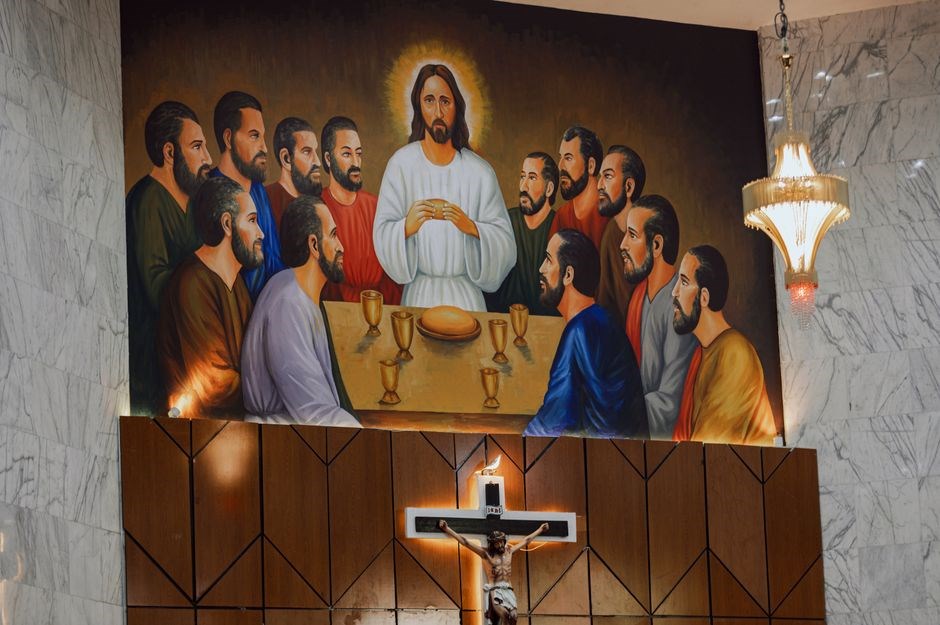
Mark 14–15 encapsulates the climactic culmination of Jesus’ earthly ministry, presenting a vivid tapestry of passion, betrayal, and divine purpose. The narrative opens with the Last Supper, where Jesus institutes the Eucharist, instructing disciples to remember Him through bread and wine. The text emphasizes the symbolic significance of these elements, linking them to covenantal themes and the impending sacrifice. Following the supper, the Gospels shift to the Garden of Gethsemane, where Jesus experiences profound anguish, praying for divine strength while anticipating the forthcoming trial. Judas Iscariot’s treachery is highlighted, underscoring the human capacity for disloyalty amid divine fidelity. The account proceeds to the arrest, trial before the Sanhedrin, and subsequent sentencing by Pontius Pilate, who, despite political pressures, ultimately yields to the mob’s demands. The narrative then portrays the crucifixion scene, detailing the physical torment, the mocking of Jesus, and the inscription “INRI” above the cross. The text also records the supernatural events—earthquakes, darkness, and the tearing of the temple veil—signifying cosmic acknowledgment of the crucifixion’s significance. The final verses describe Jesus’ death, burial in a tomb, and the subsequent discovery of the empty grave, foreshadowing resurrection. Mark’s concise style, coupled with vivid detail, offers readers a profound insight into the theological and historical dimensions of Jesus’ last week, reinforcing themes of sacrifice, redemption, and divine sovereignty. The Gospel’s concise account underscores the theological depth of Jesus’ final acts, illustrating the covenantal renewal embodied in the Last Supper and the ultimate fulfillment of prophecy through the crucifixion. It invites readers to contemplate the profound implications of sacrifice, community, and love, urging a commitment to faith and service.
Methodology for PDF Compilation
The compilation process blends rigorous academic standards with user-friendly design. Sources were vetted for authenticity, cross‑referenced, and annotated. PDFs were formatted for accessibility, ensuring consistent typography, metadata, and responsive layout across devices. All PDFs meet PDF/UA standards accessibility!
Source Selection Criteria
Our source selection process is anchored in a multi‑layered framework that balances scholarly rigor, textual fidelity, and contextual relevance. First, we identify primary biblical manuscripts—especially the Nestle‑Aland Novum Testamentum Graece, the Codex Vaticanus, Codex Sinaiticus, and the Dead‑Sea Scrolls fragments—to capture the earliest textual witnesses of the Passion narrative. These manuscripts are cross‑checked against each other for variant readings, ensuring that the PDF reflects the most authentic textual tradition. Second, we incorporate critical apparatuses from leading textual critics such as Bruce M. Metzger, Kurt Aland, and the Committee on the New Testament Manuscripts, which provide scholarly commentary on variant readings and editorial decisions. Third, we consult contemporary historical research that situates the events within the socio‑political milieu of first‑century Judea, drawing on works by scholars such as John P. Meier, E. P. Sanders, and Geza Vermes. Fourth, we evaluate secondary literature for theological interpretations that illuminate the significance of the Last Supper, the Agony in Gethsemane, and the crucifixion, ensuring a balanced representation of diverse theological traditions. Fifth, we assess the provenance, preservation status, and digitization quality of each manuscript source, preferring high‑resolution images that meet ISO 12647 color standards and are available under open‑access licenses. Finally, we apply a peer‑review process in which independent biblical scholars examine the compiled PDFs for accuracy, coherence, and fidelity to the source material. This rigorous, transparent methodology guarantees that the final PDFs are not only academically reliable but also accessible to a broad audience, including students, clergy, and lay readers interested in the last week of Jesus’ life.

Readers can download PDFs directly from our repository, ensuring wide access.
Digital Formatting Standards
Management adheres to the sRGB IEC61966‑2.1. Images are compressed using lossless JBIG2 for line art and JPEG‑2000 for photographs. The PDF includes a bookmark hierarchy mirroring the document structure, enabling jumps to verses or commentary sections. Unicode characters for Greek, Hebrew, and Latin are embedded with proper right‑to‑left rendering for Hebrew. Validation against PDF/UA 1.0 and WCAG 2.1 AA guidelines guarantees accessibility. A revision history table lists changes and editors, ensuring transparency. The final output is packaged as a containing PDF, version, offering.
Access and Distribution Strategy
PDFs are freely hosted on a dedicated site under CC‑BY‑SA 4.0. Users can download, share, or embed the files, with a DOI for citation. Mirrors on GitHub and a sitemap enhance discoverability. GDPR compliance is ensured. The license allows remixing and derivative works data.
Open‑Source Platforms and Licensing
Our distribution strategy leverages a suite of open‑source repositories and collaborative tools to ensure accessibility and community engagement. The primary hosting platform is a self‑managed GitHub repository, where each PDF is stored in a dedicated “assets” folder and linked via raw URLs. This approach guarantees version control, issue tracking, and pull‑request workflows that allow contributors to suggest edits, annotate passages, or provide updated translations.
In addition to GitHub, we maintain a mirror on a public domain file‑hosting service (e.g., Example.org) to accommodate users with limited internet bandwidth. The mirror is synchronized nightly using a lightweight rsync script, ensuring parity with the main repository.
Licensing is governed by the Creative Commons Attribution‑ShareAlike 4.0 International (CC‑BY‑SA 4.0) license. This permits anyone to copy, redistribute, remix, and build upon the PDFs, provided they credit the original source. The license is embedded in each PDF’s metadata and displayed prominently on the download page.
To facilitate academic citation, each PDF is assigned a Digital Object Identifier (DOI) via the CrossRef system. The DOI resolves to a landing page that lists the title, authorship, publication date, and license information. Researchers can embed the DOI in their bibliographies, ensuring persistent access and traceability.
Finally, we encourage community contributions through an open‑source contribution guide, which outlines best practices for formatting and translation. This guide is hosted in the repository’s README and is written in Markdown for easy rendering on GitHub and other platforms; These PDFs are available under a permissive license.